
Worn or unreliable devices
A loose receptacle, damaged device, or inconsistent switch may require replacement or other work. An assessment helps define the appropriate scope based on the conditions found.
Salinas Electrician Services is an independent information and enquiry website operated by Kurtis Online Holdings LLC. The site operator does not perform the advertised services, provide estimates, or arrange work. No service contractor is currently assigned to this website.

Loose receptacles, unreliable switches, dead outlets, and recurring interruptions can point to a worn device or a problem elsewhere on the circuit. Outlet and switch service starts by identifying the symptoms, intended use, and existing conditions before the appropriate work is defined.
Outlet and switch work can involve device replacement, GFCI protection, or a dedicated circuit for equipment. The appropriate scope depends on the location, intended load, existing system, and conditions found during assessment.
Describe the symptoms and intended use when requesting service for a Salinas property. These details help distinguish a device replacement from troubleshooting or circuit planning. See the electrical services overview for related work.
A device that stops working is only one reason to request service. A receptacle that no longer holds a plug securely, an inconsistent switch, or repeated loss of power can also warrant an assessment. Replacing the visible device is not automatically the solution because connections, wiring, upstream devices, or other circuit conditions may be involved.
When describing the problem, note which devices are affected, whether the symptom is constant or intermittent, and what equipment was in use when it appeared. There is no need to remove device covers or handle exposed wiring simply to collect information for an estimate.
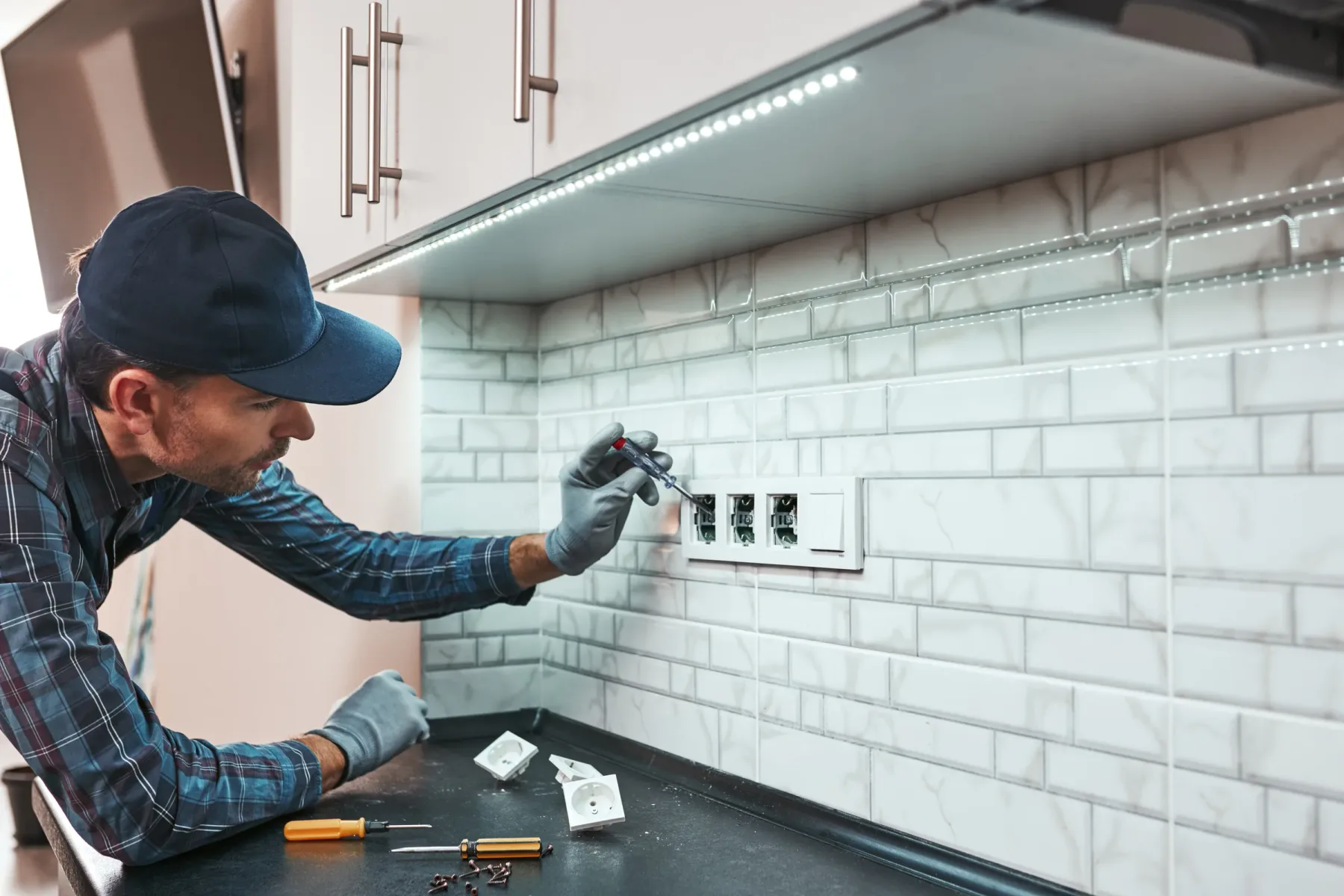
A loose receptacle, damaged device, or inconsistent switch may require replacement or other work. An assessment helps define the appropriate scope based on the conditions found.
A nonworking receptacle or repeated interruption may involve more than one visible device. Troubleshooting can examine the affected circuit and related conditions before a repair is proposed.
New appliances, tools, office equipment, or other loads can create different circuit requirements. A dedicated circuit request can be evaluated against the intended equipment and existing electrical system.
Common requests include replacing worn outlets and switches, evaluating nonworking devices, planning GFCI protection, and adding dedicated circuits. The final scope should reflect the property and intended use rather than assuming every device or circuit requires the same solution.
Permit and inspection requirements depend on the work and applicable authority. When they apply, they should be addressed during project planning. C-10 is California's contractor classification associated with electrical contracting; before hiring any contractor, consumers should verify the contractor's current license information and classification with the Contractors State License Board.
Replacement may be considered for an outlet or switch that is worn, damaged, unsuitable for the intended application, or no longer operating properly. Existing conditions still need to be assessed before the work is finalized.
GFCI requests require attention to the location and circuit arrangement. An on-site assessment can establish what is currently present and what work is appropriate for the proposed project.
Planning for equipment with dedicated electrical needs can involve its requirements, proposed device location, wiring route, and available electrical capacity. If broader capacity questions arise, see the information about electrical panel upgrades.
A useful estimate begins with a clear description of the request. For troubleshooting, the visible symptom is a starting point rather than a diagnosis. For a new outlet or dedicated circuit, the intended equipment and preferred location matter because they can affect project planning.
After site conditions are assessed, the proposed scope can identify the work to be performed and relevant assumptions. Project scope, pricing, and timelines are confirmed in a written estimate and contract. If conditions discovered during work materially change the project, the change should be documented rather than assumed.
Share the affected room or area, device symptoms, intended equipment, and whether the project concerns an existing device or a proposed new location.
An assessment can consider accessible devices, relevant circuit conditions, intended use, and other site factors needed to define the requested work.
The estimate should identify the proposed work. When permits, inspections, access requirements, or other project considerations apply, they can be addressed during planning.
If the required work changes after the project begins, the revised scope and related effects on price or timing should be addressed through appropriate written project documentation.
Before approving work, review the written scope and ask what is included, what conditions could alter the plan, and whether permits or inspections apply. For dedicated circuits, providing available manufacturer information for the equipment can help ensure planning is based on its intended use rather than an assumption.
Verify license status with the Contractors State License Board before hiring any contractor. Confirm that the business identity and license information correspond to the contractor being considered. Ask for applicable warranty or workmanship terms in writing rather than assuming what is covered.
Website information is general guidance and is not a substitute for an on-site assessment. Scope, exclusions, pricing, scheduling, and material project changes are clearer when documented in the estimate, contract, or applicable change documentation.
These answers offer general planning guidance for outlet and switch projects in Salinas. Actual project requirements depend on the property, proposed work, and conditions identified during assessment.
Not necessarily. A dead outlet is a symptom rather than a diagnosis. The cause may involve the device, connections, circuit, another device, or another condition. An assessment can determine what repair scope is appropriate.
A dedicated-circuit request can be evaluated using the equipment requirements, proposed location, possible wiring route, and existing electrical system. The assessment may identify additional considerations before the final scope is established.
That depends on the location and applicable requirements. An assessment can identify what is present at the relevant location and help define the appropriate project scope rather than assuming an existing installation has particular protection.
Permit and inspection requirements depend on the particular work and applicable authority. When requirements apply, they should be incorporated into project planning rather than treated as optional.
Verify license status with the Contractors State License Board before hiring any contractor. Check that the contractor's business identity and license information match and that the verified classification is appropriate for the electrical work being advertised.
Salinas Electrician Services is an independent information and enquiry website operated by Kurtis Online Holdings LLC. The site operator does not perform the advertised services, provide estimates, or arrange work. No service contractor is currently assigned to this website. Your enquiry is received by Kurtis Online Holdings LLC, not by a service contractor. It is not a booking or estimate request.