Salinas Electrician Services is an independent information and enquiry website operated by Kurtis Online Holdings LLC. The site operator does not perform the advertised services, provide estimates, or arrange work. No service contractor is currently assigned to this website.
Standby Generator and Transfer-Switch Planning
Generator and Backup Power in Salinas, CA
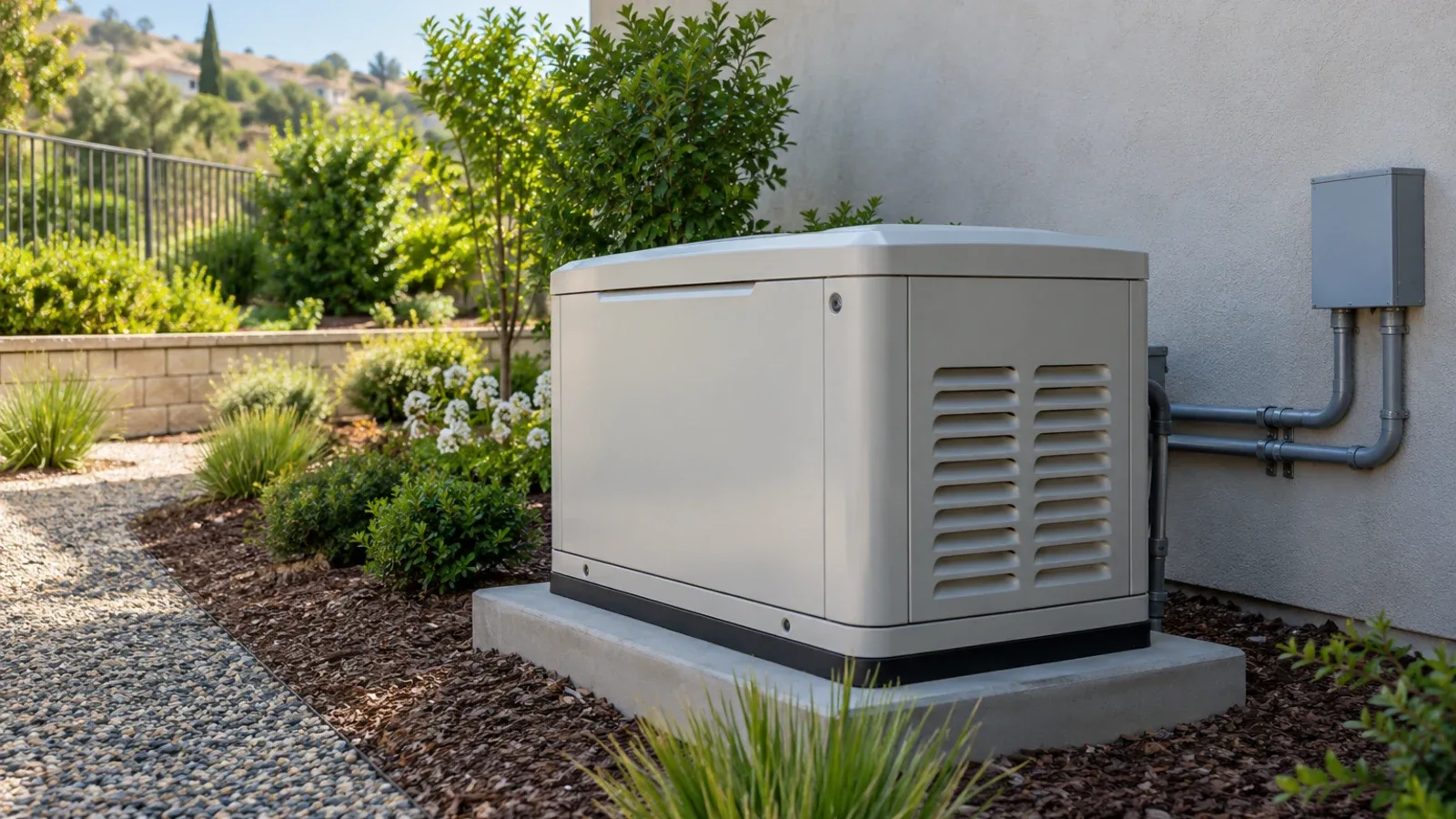
A standby backup-power project involves more than selecting a generator. The electrical service, transfer equipment, desired backup loads, equipment location, and applicable permit and inspection requirements all affect the final scope. Salinas property owners and managers can use an on-site assessment to identify practical options before committing to equipment or installation work.
Plan backup power around the property and its essential loads
Backup-power planning begins with deciding what needs to operate during an outage. Some properties may prioritize refrigeration, lighting, communications, selected receptacles, or other essential circuits, while another project may call for a broader backup strategy. Those choices influence generator capacity, transfer equipment, electrical modifications, and project complexity.
The existing electrical system also matters. Service equipment, panel configuration, available space, and the circuits selected for backup should be evaluated on site. When an electrical panel is part of the constraint, review the related Electrical Panel Upgrades service before assuming a generator alone will address the project.
02
What makes a standby generator project more involved
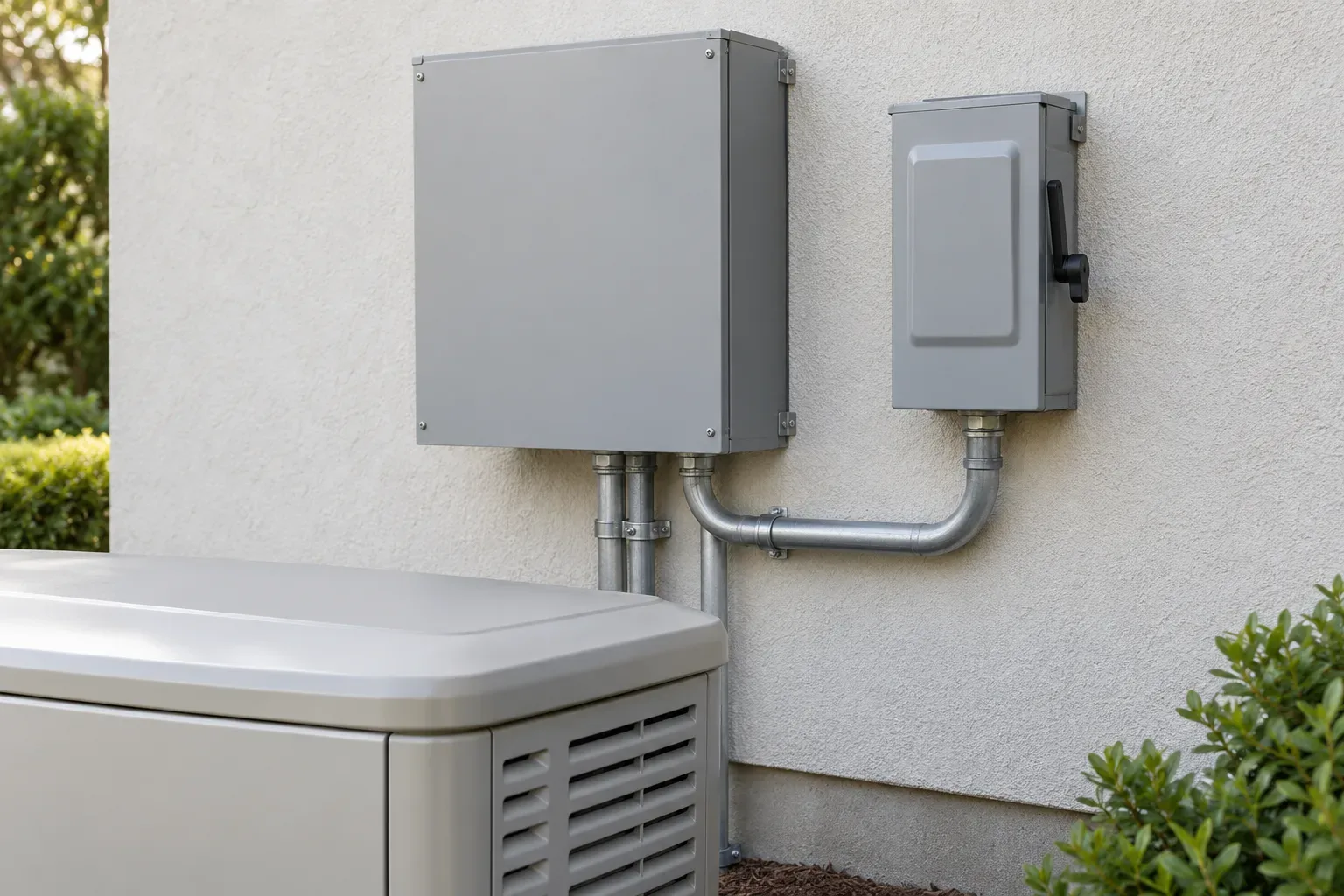
A portable generator used independently is different from a permanently connected standby system. A standby project can involve electrical transfer equipment that separates normal utility power from the backup source and controls how selected loads receive power. Equipment selection should therefore follow an assessment of the property rather than a general rule based only on building size.
Existing conditions can change the proposed work. The assessment may need to consider the electrical service and panels, generator connection point, anticipated loads, routing between components, and feasible equipment locations. Generator projects can also involve non-electrical considerations that must be handled by the appropriately qualified parties. No website description can establish that a particular configuration is suitable for a specific property.
02
Residential and managed properties
For a home, rental, or managed property, identify the circuits that truly need backup and any operational priorities before selecting equipment. This helps distinguish essential-load planning from a broader backup-power request.
02
Business facilities
Commercial planning should begin with the equipment and functions the business intends to maintain during an outage. Electrical characteristics and operational requirements can differ substantially from household loads, so the scope should be based on the actual facility.
03
Typical electrical scope for generator and backup power
The exact scope depends on the site and selected equipment. A proposed project may include evaluation of existing electrical equipment, load planning, transfer-switch work, generator electrical connections, circuit modifications, and related electrical apparatus. Work should remain within the verified qualifications and C-10 classification of the contractor ultimately retained for the electrical portion.
Properties in Salinas and elsewhere in Monterey County can differ in age, electrical configuration, access, and site constraints. Those conditions should be documented before a final scope is prepared.
03
Load and equipment review
Identify the loads intended for backup and review relevant electrical characteristics before equipment and circuit arrangements are finalized.
03
Transfer equipment
Determine the appropriate transfer arrangement for the proposed system and how it will interface with the property's existing electrical equipment.
03
Electrical modifications
Document required wiring, circuit, panel, or connection work discovered during assessment rather than treating those items as automatically included.
04
How the project can be scoped and estimated
A useful estimate should connect requested backup capability to observable site conditions. It should distinguish assumptions from confirmed work and identify questions that require further coordination.
04
1. Discuss backup priorities
Describe the property, the loads you want available during an outage, and whether the project is residential, property-management, or commercial in nature.
04
2. Assess existing conditions
Review relevant electrical equipment, proposed component locations, access, routing, and other conditions that could affect the electrical installation.
04
3. Define the proposed scope
Document the equipment and electrical work contemplated by the project, along with exclusions, dependencies, or other items requiring separate coordination.
04
4. Confirm project documents
Project scope, pricing, and timelines are confirmed in a written estimate and contract. Changes discovered or requested after that point should be documented rather than assumed to be part of the original scope.
05
Permits, inspections, documentation, and contractor verification
Permit and inspection requirements depend on the work and the authority responsible for the property. They should be identified for the specific project rather than assumed from general website information. Required permits or inspections should not be treated as optional steps, and final requirements can depend on the installation actually proposed.
California contractor credentials also deserve verification before hiring. The Contractors State License Board maintains contractor records. Confirm that the business name and license number match the contractor you intend to hire and that the applicable classification is appropriate for the electrical work being advertised. For this trade, the relevant classification identified for verification is C-10.
Written project documents should clearly describe the agreed electrical scope, major exclusions, pricing terms, and anticipated schedule. If site discoveries or owner-requested changes affect the work, documenting the change provides a clearer record for both parties. Any warranty or workmanship commitment should likewise be evaluated from the actual written contract rather than inferred from general marketing language.
06
Frequently asked questions about backup power
These answers provide general planning guidance. An on-site assessment is needed to determine what is appropriate for a particular property.
Can I choose a generator based only on the size of my building?
Building size alone does not establish the electrical demand that a backup system must serve. The loads you intend to operate, their electrical characteristics, and the proposed system configuration should be considered before equipment is selected.
Does a standby generator need transfer equipment?
A permanently connected backup-power proposal should address how normal and backup power are transferred and isolated. The appropriate equipment and arrangement depend on the system being designed and the property's electrical configuration.
Will my electrical panel need to be changed?
That cannot be determined from a general description. Existing service and panel conditions should be assessed in relation to the proposed backup loads and equipment. If panel work is indicated, the Electrical Panel Upgrades page explains that separate service category.
Are permits and inspections required?
Requirements depend on the project and the applicable local authority. The relevant requirements should be confirmed for the specific property and proposed work rather than assumed in advance.
How should I verify an electrical contractor in California?
Check the contractor's current record with the Contractors State License Board before hiring. Confirm the business identity, license number, and applicable classification against the official record instead of relying solely on advertising.
07
Send an enquiry to the site operator
Salinas Electrician Services is an independent information and enquiry website operated by Kurtis Online Holdings LLC. The site operator does not perform the advertised services, provide estimates, or arrange work. No service contractor is currently assigned to this website. Your enquiry is received by Kurtis Online Holdings LLC, not by a service contractor. It is not a booking or estimate request.