
Match the business identity
Compare the business name and license number provided to you with CSLB information. Resolve discrepancies before signing an agreement.
Salinas Electrician Services is an independent information and enquiry website operated by Kurtis Online Holdings LLC. The site operator does not perform the advertised services, provide estimates, or arrange work. No service contractor is currently assigned to this website.
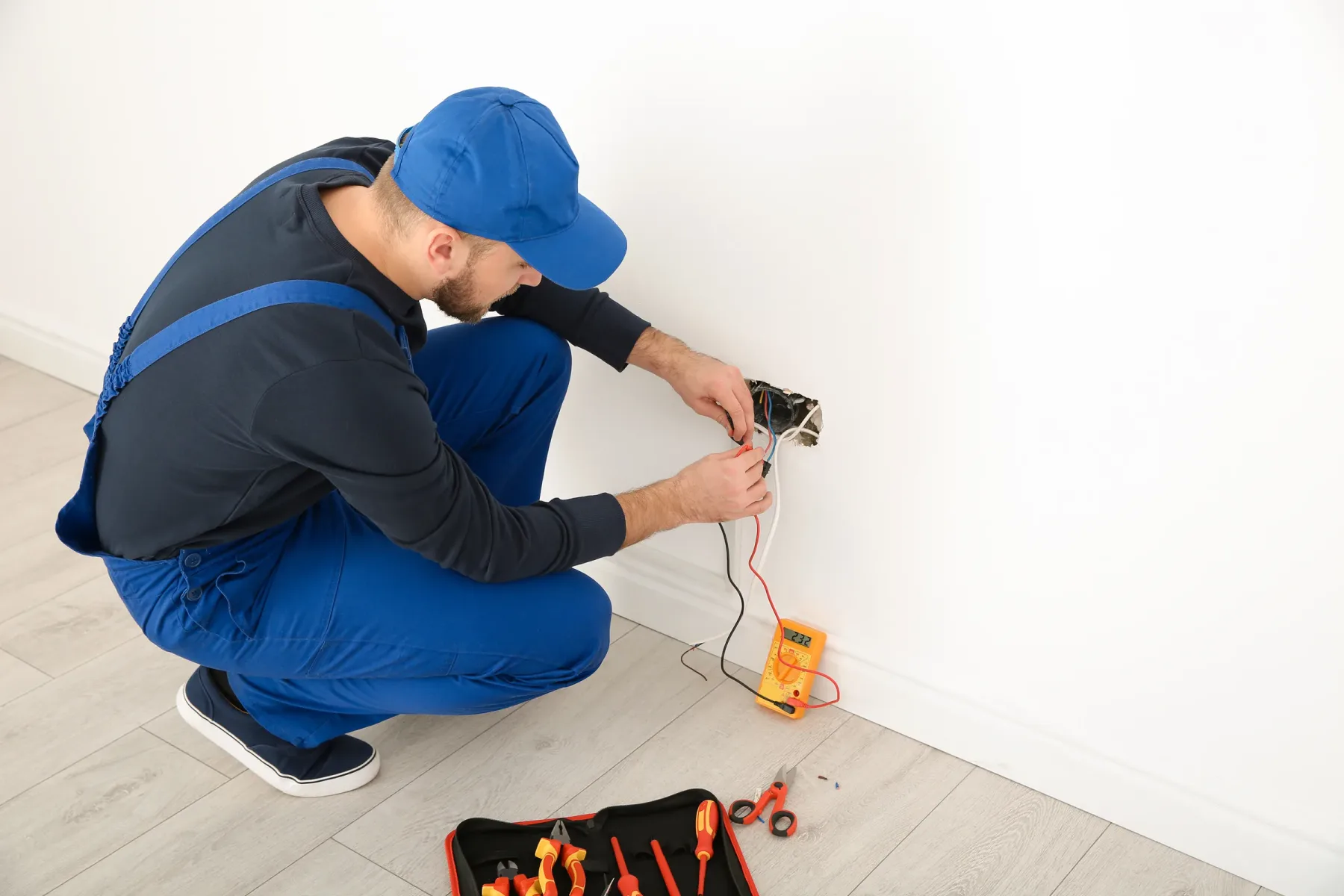
Hiring an electrical contractor involves more than comparing estimates. Before agreeing to work in Salinas, define what you need, verify the contractor's identity and applicable C-10 license information, and review the proposed scope, pricing, documentation, and responsibilities. This guide covers practical questions to ask without substituting general information for a project-specific assessment.
Start with what you know rather than trying to diagnose the electrical system yourself. Note the symptoms, affected rooms or equipment, when a problem occurs, and what you want the completed project to accomplish. For a planned improvement, identify the equipment or fixtures involved and any property constraints you already know about. Giving each prospective contractor the same basic information makes estimates easier to discuss and compare.
Electrical needs can range from troubleshooting a dead circuit or recurring breaker trip to panel work, an EV charging circuit, lighting, rewiring, outlets, switches, backup power, or commercial improvements. The appropriate solution may depend on existing conditions that cannot be determined from a telephone description or website inquiry.
Ask what information and site access are needed to develop a useful estimate. Also ask whether permits or inspections may apply and who will coordinate them. Requirements depend on the project and relevant authority, so do not assume that approvals are either required or unnecessary before the particular work is evaluated.
Ask for the contractor's exact business name and CSLB license number, then independently check the information with the California Contractors State License Board. For electrical work represented as C-10 contracting, confirm that the applicable license carries the C-10 classification. This is more reliable than treating a website, vehicle, proposal, or verbal statement as proof of current status.
CSLB records are also a starting point for checking contractor information relevant to a hiring decision. If bond or insurance information matters to your project, verify the applicable current information rather than relying on a broad or undated claim. Verification should occur before you enter an agreement.
California requires the contractor license number in advertising, including websites. Verify license status with the Contractors State License Board before hiring any contractor.
Compare the business name and license number provided to you with CSLB information. Resolve discrepancies before signing an agreement.
For work advertised as C-10 electrical contracting, confirm that the license you are evaluating carries the C-10 classification.
A useful estimate should explain the work being proposed. Ask for the major tasks and significant materials or equipment, along with important exclusions and assumptions. Troubleshooting may begin with diagnosis because the full repair cannot always be identified beforehand. Planned installations can also change after existing capacity or site conditions are assessed.
Discuss how unexpected conditions and requested changes will be handled. If the agreed work changes, ask how additions, deletions, price adjustments, and schedule effects will be documented in the contract or a change order. Written documentation helps distinguish the original scope from work authorized later.
Ask who is responsible for permits and inspections when they apply. Applicable requirements are determined by the relevant authority. For more detail about the process after initial contact, see How an Electrical Service Call Works.
Before comparing totals, determine whether proposals include the same work, materials, exclusions, permit responsibilities, and assumptions.
Ask what workmanship or product warranty terms, if any, will appear in the agreement. Review stated coverage, duration, exclusions, and the procedure for reporting an issue rather than assuming every contractor offers identical terms.
Evaluate price together with scope. Different totals can reflect different materials, included tasks, assumptions, or coordination responsibilities. Ask what the estimate covers, whether any portion cannot yet be priced, and what circumstances could lead to a proposed price change.
Ask about scheduling in the same way. Availability, site access, materials, inspections, utility coordination, and conditions discovered during the work can affect timing. Review the written agreement for the project-specific terms rather than relying on a general promise about completion.
Project scope, pricing, and timelines are confirmed in a written estimate and contract. Read the contract before authorizing work and clarify differences between the document and earlier discussions. Keep your estimates, contract, authorized change orders, and important project communications for reference.
Price can be one factor, but compare the underlying scopes first. Check what each proposal includes and excludes, what assumptions could affect cost, the contractor credentials you independently verified, and the written terms.
Site conditions or an agreed change in the work can affect a project. Before hiring, ask how changes will be described, priced, authorized, and documented through the contract or change-order process.
Salinas Electrician Services is an independent information and enquiry website operated by Kurtis Online Holdings LLC. The site operator does not perform the advertised services, provide estimates, or arrange work. No service contractor is currently assigned to this website. Your enquiry is received by Kurtis Online Holdings LLC, not by a service contractor. It is not a booking or estimate request.