
Prepare a short problem history
Note the affected rooms or equipment, when the issue occurs, and any patterns you have observed. Clear observations can help focus the assessment without trying to diagnose the electrical condition yourself.
Salinas Electrician Services is an independent information and enquiry website operated by Kurtis Online Holdings LLC. The site operator does not perform the advertised services, provide estimates, or arrange work. No service contractor is currently assigned to this website.
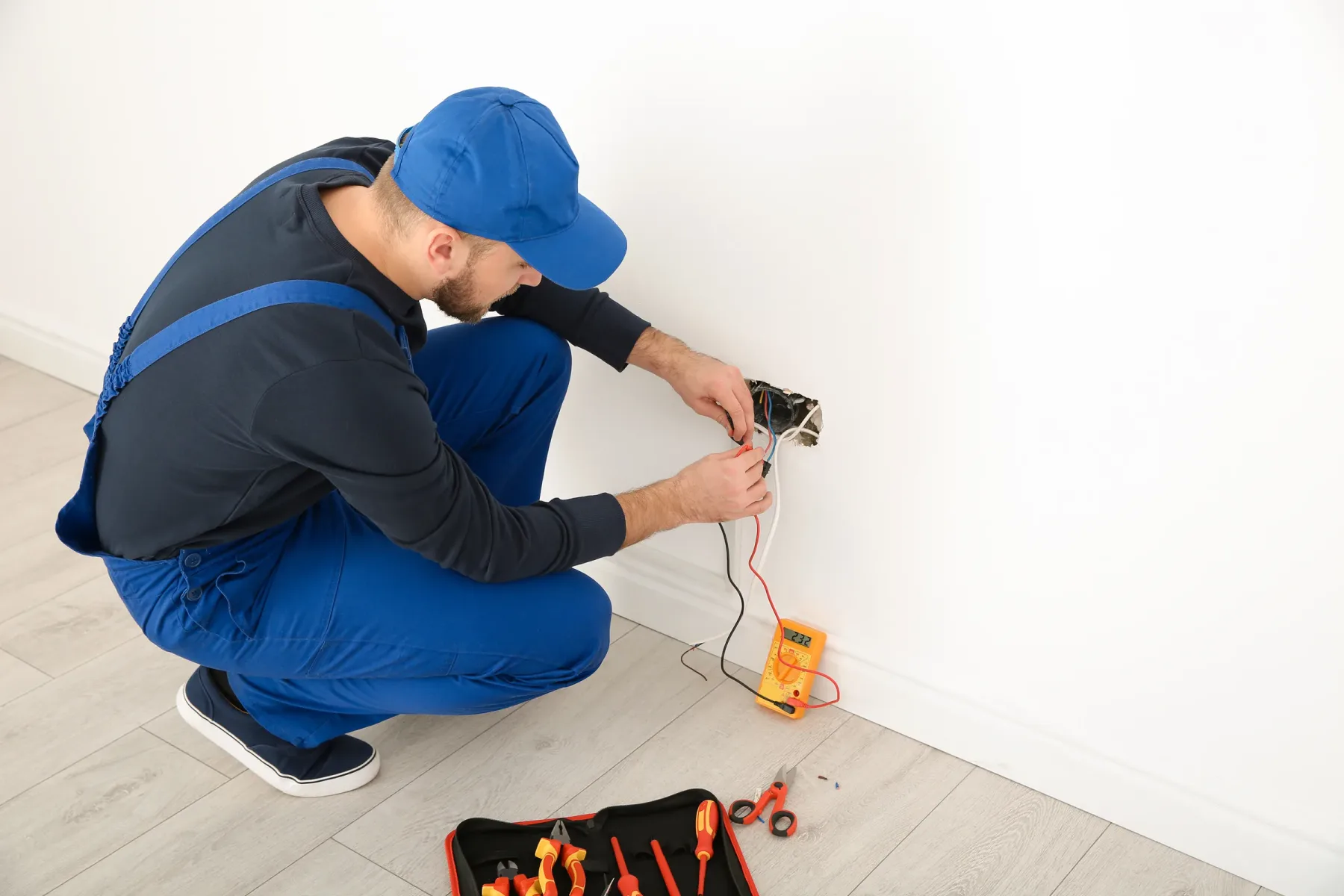
An electrical service call usually moves from an initial description of the problem or project to an on-site assessment, a defined scope, and documented next steps. This guide explains what to expect so you can prepare useful information, ask practical questions, and understand what should be confirmed before work begins.
The first conversation should establish what prompted the call and enough context to plan the visit. For troubleshooting, that might include a dead outlet, a breaker that trips, lights that behave intermittently, or another electrical concern. For planned work, explain what you want to add or change, such as lighting, a dedicated circuit, an EV charging circuit, outlets, switches, or panel-related work.
Useful details include when the issue began, which areas are affected, whether the condition is constant or intermittent, and whether recent remodeling or equipment changes may be relevant. Photos can sometimes provide context, but they do not replace an on-site assessment. Avoid opening electrical equipment or removing covers simply to gather information for the call.
The initial conversation is also a good time to ask what information the contractor needs, how the assessment will be handled, and what happens after the visit. Website information and telephone descriptions are general guidance, not substitutes for evaluating conditions at the property.
Note the affected rooms or equipment, when the issue occurs, and any patterns you have observed. Clear observations can help focus the assessment without trying to diagnose the electrical condition yourself.
At the property, the purpose of an assessment is to understand the requested work or reported problem in its actual setting. Depending on the reason for the visit, that may involve reviewing accessible electrical components, discussing equipment needs, examining the area where work is proposed, or testing relevant circuits and devices. The appropriate assessment depends on the site and the particular electrical concern.
For a planned project, access and existing conditions can affect the scope. A visit may identify questions that could not reasonably be answered from a phone description, such as routing, equipment location, available space, or how the proposed work interacts with the existing electrical system. For troubleshooting, findings should distinguish what was actually observed from work that is merely being proposed.
Do not assume an existing installation is code-compliant or noncompliant based solely on age, appearance, or a marketing description. Questions involving applicable requirements may depend on the property, project, and relevant local authority. In Salinas and elsewhere in Monterey County, the responsible authority can vary with the project location and scope.
After the assessment, the next useful document is a written description of the proposed work. It should be specific enough for you to understand what is included rather than relying on a broad verbal description. Project scope, pricing, and timelines are confirmed in a written estimate and contract.
Read the documents before authorizing work and ask about anything that is unclear. Relevant points can include the equipment or tasks covered, exclusions, anticipated scheduling, payment terms, and how unexpected site conditions would be handled. If the scope changes after work is authorized, changes should be documented rather than left to an informal understanding.
Permits and inspections may apply depending on the work and jurisdiction. A contractor should not suggest that an applicable permit or inspection can simply be skipped. Ask who will determine the applicable requirements, who is responsible for permit-related steps when they apply, and how those steps affect scheduling.
Before hiring any contractor, verify license status with the Contractors State License Board. For electrical work advertised under California's C-10 classification, confirm that the contractor's current CSLB record supports the classification being represented. Contractor advertising in California is also subject to CSLB license-number requirements.
Once the scope has been agreed to, confirm practical details before the scheduled visit. Ask what areas need to be accessible, whether vehicles or stored belongings need to be moved, and whether the electrician expects any interruption to electrical service. If a household member, tenant, employee, or property manager needs advance notice, coordinate that before work starts.
During the job, questions or newly discovered conditions can affect the original plan. The useful distinction is between work already authorized and a proposed change. If additional work is recommended, ask why it is needed, what it changes, and how the revision will be documented before approving it. Pricing or completion dates should not be treated as guaranteed beyond what the applicable written agreement establishes.
For work involving permits or inspections, the sequence may include steps controlled by an authority or other party. Confirm responsibilities and current expectations for the particular project rather than assuming every electrical service call follows the same administrative process.
At completion, ask for a straightforward explanation of what was done and whether anything remains outstanding. For troubleshooting, that may include a summary of the findings and repairs performed. For installation work, the walkthrough can identify the completed equipment or devices and cover ordinary operating information relevant to the work.
Keep the contract, approved changes, invoices, and any project-specific documentation you receive. If permits or inspections applied, ask what records are available and whether any administrative step remains. Also ask how questions about the completed work should be raised and what written warranty terms, if any, apply; warranty coverage should come from the actual project documents rather than assumptions.
A good service-call process leaves you with a clear record of the agreed scope and completed work. For related planning information, review the Services overview or the Electrical Contractors (C-10) Frequently Asked Questions. When you are ready to discuss a property in Salinas or the surrounding Monterey County area, use the Contact page to provide the basic project details needed for an initial conversation.
Retain estimates, contracts, documented changes, invoices, and applicable permit or inspection records together. These materials provide a more reliable project history than memory alone.