
Confirm contractor identity
This information site does not represent a licensed service contractor. Verify the identity, current license and applicable classification of any contractor independently before hiring or entering a contract.
Salinas Electrician Services is an independent information and enquiry website operated by Kurtis Online Holdings LLC. The site operator does not perform the advertised services, provide estimates, or arrange work. No service contractor is currently assigned to this website.
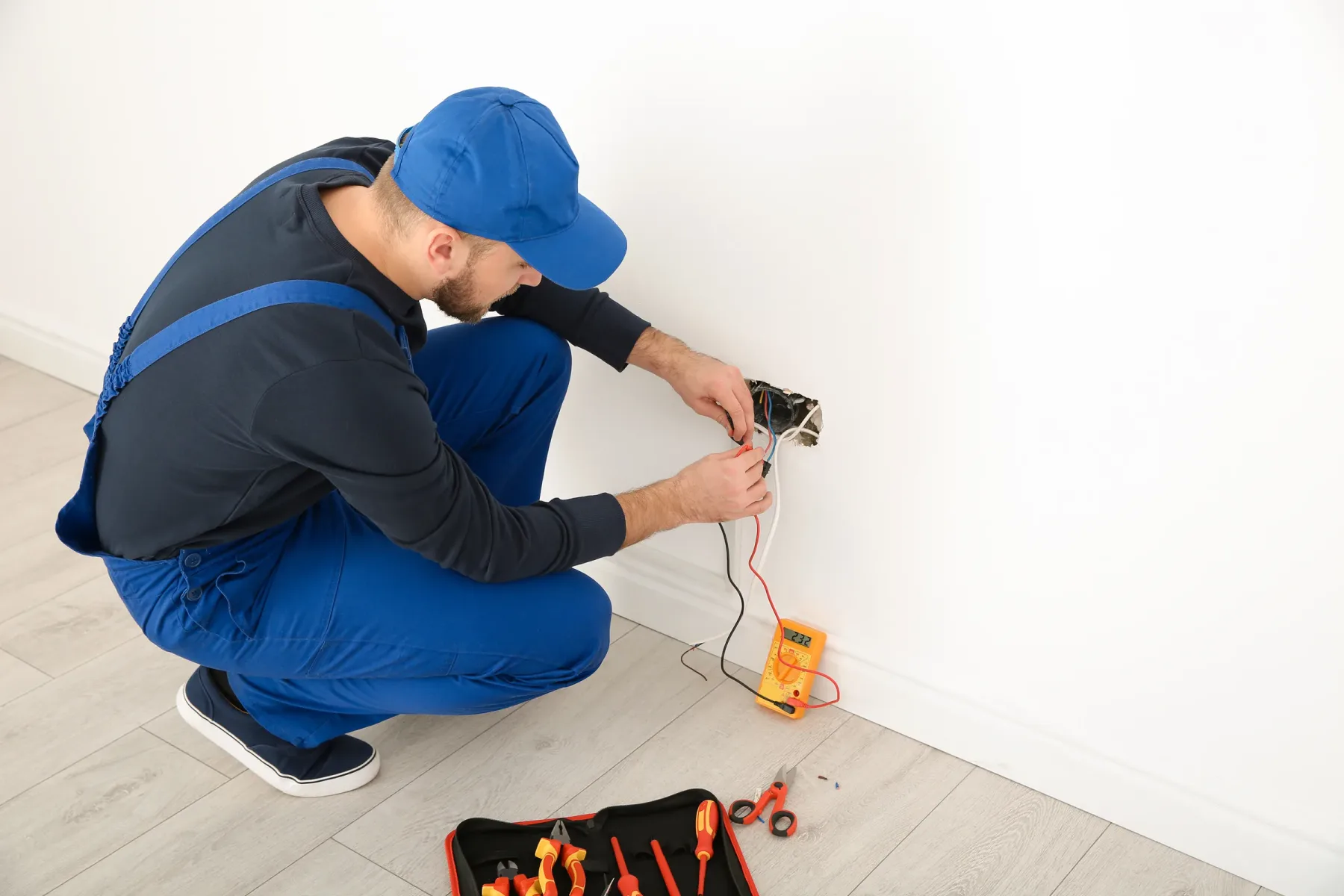
Electrical work can range from diagnosing one troublesome circuit to planning a panel, rewiring, lighting, EV charging, backup power, or commercial improvement project. This site provides a practical starting point for people in Salinas who want to define the work, understand the estimate process, and identify the questions to ask before selecting an electrical contractor.
A useful electrical estimate begins with the actual condition of the property and the result you are trying to achieve. A homeowner may need help with a breaker that repeatedly trips, outlets that have stopped working, new lighting, or electrical capacity for an EV charger. A property manager may be coordinating repairs between occupants. A business may need dedicated circuits or electrical work associated with a tenant improvement. Those situations require different information, access, equipment, and project planning.
Before requesting an estimate, note what you are experiencing, where it occurs, and whether the issue is constant or intermittent. For planned installations, gather equipment information when available. Photos can provide useful context, but they do not replace an appropriate assessment of wiring, panels, circuits, access, or other site conditions. Website information is general guidance and is not a substitute for an on-site assessment.
This information site does not represent a licensed service contractor. Verify the identity, current license and applicable classification of any contractor independently before hiring or entering a contract.
Verification is also important because a license number by itself does not explain every fact a customer may want to know. Licensing, bond, workers' compensation, insurance, classification, and other contractor details are distinct subjects. Obtain or verify the information relevant to your project instead of assuming one credential establishes another. Questions about permits should likewise be addressed for the actual property and scope because requirements are established by the authorities that apply to the work.
This information site does not represent a licensed service contractor. Verify the identity, current license and applicable classification of any contractor independently before hiring or entering a contract.
A useful written scope identifies the work to be performed and helps distinguish included work from assumptions or possible additional work. Ask for clarification when descriptions are too broad to understand what will actually be installed, replaced, tested, or repaired.
Project scope, pricing, and timelines are confirmed in a written estimate and contract. If conditions discovered after work begins require a material change, ask how that change will be described, priced, approved, and documented before proceeding.
Electrical projects vary substantially by property, existing equipment, requested load, and site access. The following categories describe common reasons people seek C-10 electrical contractor services. They are planning examples rather than a representation that every project is appropriate for every contractor. A contractor's current classification and proposed scope should be verified for the specific work.
For more detail about individual project categories, visit the Services page. An assessment may be needed before anyone can determine the appropriate approach, required equipment, project price, or schedule.
Panel replacement or capacity-related work may involve evaluating existing service equipment, the loads being added, site conditions, and coordination requirements. Do not assume a panel replacement or larger service is necessary solely because new electrical equipment is being considered; the project should be evaluated for the specific property.
Home and workplace Level 2 charging projects require attention to the charging equipment, circuit, available electrical capacity, mounting location, routing, and property conditions. Having the charger or vehicle specifications available can make an initial project discussion more productive.
Dead circuits, recurring breaker trips, intermittent power, worn devices, and requests for dedicated circuits call for diagnosis rather than assumptions based on symptoms alone. Describe what happens, when it started, and which rooms or devices are affected.
Lighting projects can include fixture replacement, recessed or under-cabinet lighting, and exterior security or accent lighting. Planning should account for circuit conditions, fixture requirements, controls, locations, and equipment suitable for the installation environment.
Rewiring can be more invasive than a device replacement and should be scoped around existing wiring, access, affected areas, and inspection requirements. Smoke and carbon monoxide detector projects similarly depend on the property and applicable placement or interconnection requirements.
Generator and transfer equipment projects require site-specific planning. Commercial electrical work can include lighting, dedicated equipment circuits, and electrical portions of tenant improvements. Businesses and property managers should identify operational constraints, access windows, and equipment information early in the discussion.
A clear process helps a customer compare proposals on more than a bottom-line number. Electrical conditions that are not visible during an initial conversation can affect the eventual scope, so estimates should distinguish known work from assumptions where appropriate. Pricing and timing should not be treated as guaranteed until they are established in the applicable written project documents.
Explain whether you are dealing with an existing fault, replacing equipment, remodeling, adding a new electrical load, or planning a larger improvement. Include the property type, affected area, relevant equipment details, and any access considerations you already know.
The next step depends on the work. A contractor may need to inspect existing equipment, wiring conditions, routing possibilities, or installation locations before establishing an appropriate scope. Troubleshooting in particular may require diagnosis before a repair can be accurately defined.
Read what is included, identify exclusions or allowances, and ask how permits, inspections, equipment, access, or coordination are addressed when relevant. For multi-part projects, confirm which areas and devices are included so both parties are referring to the same work.
Existing properties can reveal conditions that were not apparent when the original scope was prepared. When a proposed change affects work, cost, or timing, the customer should understand the revised scope and applicable documentation rather than relying on an informal assumption.
Retain the estimate, contract, approved changes, relevant permit or inspection documents, equipment information, and warranty documentation supplied for the project. These records can be useful for later maintenance, property management, or future electrical work.
This site is focused on Salinas and the surrounding Monterey County market. Nearby communities relevant to local project planning include Spreckels, Prunedale, Castroville, Chualar, Marina, Seaside, Sand City, Monterey, and Pacific Grove. A place name on a service-area page should not be treated as confirmation that a particular contractor accepts every address or project in that community.
Availability should be confirmed for the specific property before scheduling. Location can also affect which public authority has responsibility for permits or inspections. City, county, regional, state, or other requirements may differ according to the property and the proposed work, so jurisdiction questions should be resolved for the individual project rather than generalized across all of Monterey County.
Providing the city and general project location helps determine whether the property is within the contractor's working area and which jurisdiction may be relevant. Sensitive access information is not needed for an initial website inquiry.
When permits or inspections apply, clarify who will handle the applicable steps and how they relate to scheduling. Required permits and inspections should not be treated as optional simply for convenience.
These answers provide general planning information. Property conditions and project requirements differ, so they cannot determine the appropriate electrical solution for an individual building.
This information site does not represent a licensed service contractor. Verify the identity, current license and applicable classification of any contractor independently before hiring or entering a contract.
Permit and inspection requirements depend on the location and scope of the proposed work. They should be determined through the authority applicable to the specific property and project. A contractor should not promise that required permits or inspections can simply be avoided.
Photos and equipment information can help communicate the request, but they may not reveal wiring conditions, circuit capacity, access limitations, routing, or other relevant conditions. Some projects require an on-site assessment or diagnostic work before a reliable scope can be established.
Compare the described scope, equipment or materials identified, exclusions, project assumptions, applicable permit or inspection handling, and how changes will be approved. Confirm contractor identity and licensing independently as well. The lowest total is difficult to evaluate when proposals describe materially different work.
Project documents should make the proposed work understandable to the parties involved. When the scope changes, documentation should identify the changed work and address resulting cost or schedule changes as applicable. Ask questions before approving language you do not understand.
Warranty terms should be established from the actual contractor and project documentation rather than assumed from general advertising. Ask what workmanship terms apply, what manufacturer warranties may cover supplied equipment, what exclusions exist, and what process is used if service is requested later.
Provide your name, preferred contact method, general property location, project type, and a concise description of the problem or planned installation. Equipment model information can help when relevant. Do not submit payment card numbers, financial account details, or gate, door, or alarm codes through a public contact form.
Salinas Electrician Services is an independent information and enquiry website operated by Kurtis Online Holdings LLC. The site operator does not perform the advertised services, provide estimates, or arrange work. No service contractor is currently assigned to this website. Your enquiry is received by Kurtis Online Holdings LLC, not by a service contractor. It is not a booking or estimate request.